
Is Your Furnace a Hidden Source of Carbon Monoxide?
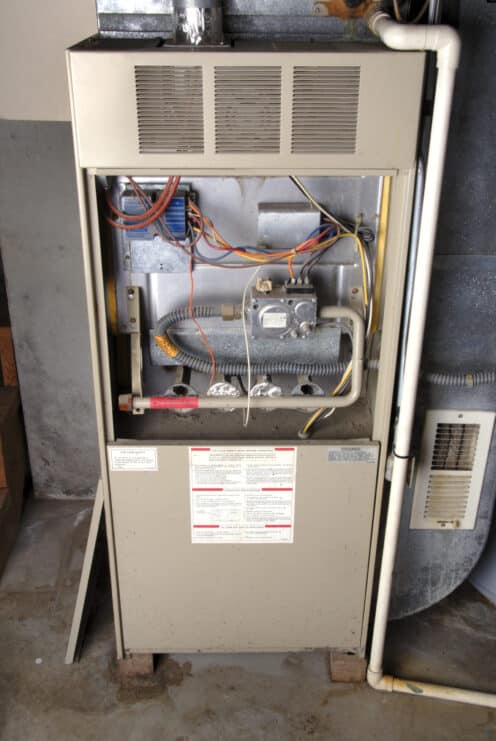
A furnace is a vital system in a home during the cold months. However, it sometimes poses the greatest threat to your safety and health. As it burns fuel to generate heat that warms your indoor air, one of the byproducts it produces is carbon monoxide gas. Here’s how dangerous it can be, and what you can do to prevent leaks before they ever occur.
The Dangers of Carbon Monoxide
In fuel-based furnaces (those that run on oil, gas, or propane), carbon monoxide gas is a potential byproduct of combustion. Normally, this gas is produced when there isn’t enough oxygen present for complete combustion. Considering the rate at which furnaces burn fuel to generate heat, oxygen levels can sometimes fall short. That’s why they are equipped with a venting system to safely direct combustion gases, including carbon monoxide, out of the home.
Carbon monoxide is a non-irritating, odorless, colorless, and tasteless gas. It’s virtually impossible to detect without specialized equipment, meaning you may not realize you’re inhaling it until symptoms begin to appear.
This gas can cause suffocation, loss of consciousness, convulsions, organ damage, coma, and death. Long-term exposure to low levels of carbon monoxide may lead to heart disease and nervous system disorders, including memory loss, impaired concentration, and mood changes. These effects may persist even after exposure ends, especially in vulnerable individuals such as children, the elderly, and those with preexisting health conditions.
Carbon monoxide poisoning is frequently misdiagnosed or overlooked because its symptoms mimic common illnesses like the flu or fatigue. Therefore, proactive prevention is very important.
How Furnaces Can Lead to Carbon Monoxide Poisoning
Even a well-maintained furnace can become a source of danger if critical components start to fail. Over time, normal wear, corrosion, or installation issues can allow combustion gases to escape from areas they were never meant to. These leaks often begin small but can quickly spread throughout the ductwork and living spaces, putting your household at risk.
Furnaces can release carbon monoxide through several common failure points:
Cracked Heat Exchanger
A heat exchanger is a thin metal component positioned between the combustion chamber and the blower assembly. Its job is to transfer heat from the burning fuel to the air that circulates through your home.
The repeated heating and cooling cycles, as the burner turns on and off, can cause progressive weakening and eventual fracture of the metal over the years. After cracks develop, combustion gases, including carbon monoxide, escape into the airflow and are distributed throughout your living space.
Cracks in the Exhaust Pipes
Furnaces are designed with a venting system that safely channels combustion gases out of the home. This system includes exhaust pipes or flue ducts made of metal or PVC, depending on the furnace type. Over time, these pipes can develop cracks due to corrosion, thermal stress, or physical damage. This will result in carbon monoxide leaking into attics, crawl spaces, or directly into living areas.
Improper Burner Operation
Burners that are dirty, misaligned, or poorly adjusted can disrupt the fuel-to-air ratio, leading to incomplete combustion. If you visually inspect your furnace during operation, you are likely to notice a yellow, sooty pilot light.
The result is an increase in carbon monoxide production, which will find its way into your indoor air. Moreover, the efficiency of your system will drop significantly because incomplete combustion means less heat output per unit of fuel.
Inadequate Ventilation
Furnaces require sufficient fresh air intake to support complete combustion. In tightly sealed homes, airflow may be restricted, starving the combustion process of oxygen. Again, this will lead to incomplete combustion and, hence, elevated carbon monoxide production.
Preventing Carbon Monoxide Circulation Into Your Home
Preventing carbon monoxide poisoning inside your home isn’t complicated, but it does require vigilance and routine care. Consider the following strategies.
Start With the Source of Carbon Monoxide
You should always ensure that your furnace is operating optimally and efficiently year-round. Never skip scheduled maintenance, and call for professional repairs immediately if you notice any irregularities in how it functions.
If your system is older than ten years, begin planning for its replacement. Aging furnaces are more vulnerable to heat exchanger cracks, combustion inefficiencies, and ventilation failures, all of which increase the risk of carbon monoxide leaks.
Install Carbon Monoxide Alarms
As discussed, carbon monoxide is odorless, tasteless, colorless, and non-irritating. You can’t detect it on your own; you need a specialized device to monitor its presence in your home. Carbon monoxide alarms are designed to alert you before concentrations reach dangerous levels, giving you time to ventilate the space or evacuate if necessary.
Watch Out for Signs of Carbon Monoxide Presence
If anyone in your home experiences chest pains, headaches, dizziness, or unexplained weakness as the furnace operates, you may have a carbon monoxide leak. Turn off the furnace, go outside for fresh air, and call for emergency repairs.
Contact JAMCO Heating & Air Conditioning for More Information
The experts at JAMCO Heating & Air Conditioning can help as soon as you suspect carbon monoxide exposure. Our NATE-certified technicians complete most repairs in a single visit, backed by a 100% satisfaction guarantee. For system replacements, we offer a minimum 10-year parts warranty to ensure long-term peace of mind.
Call JAMCO Heating & Air Conditioning today for carbon monoxide detection and heating repair or replacement in Deptford Township.
