

Warmer Rooms, Lower Costs: The Power of Sealed Ducts
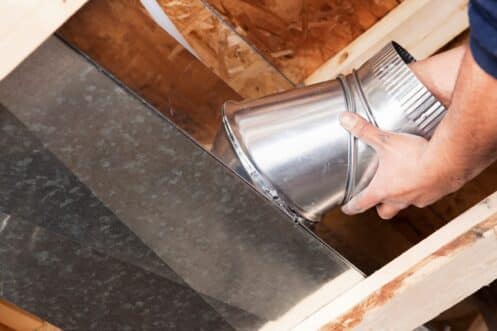
A leaky duct can undo a lot of what you pay to heat. Warm air slips into attics and crawlspaces, cold air sneaks into returns, and rooms never feel quite right. The fix starts with finding the leaks and choosing a sealing method that holds up under real use. You do not need a new furnace to feel warmer; you need tight, balanced ducts that deliver the air you already produce.
JAMCO Heating & Air Conditioning in Deptford Township, NJ, helps homeowners turn lost heat into real comfort by sealing, insulating, and right-sizing duct systems. If you want a quick win that shows up on your next bill, this is it.
Why Duct Leaks Raise Your Heating Bill
Your furnace warms air and sends it through supply ducts. When joints gap or tape dries out, that warm air spills into areas you don’t live in, like attics and crawl spaces. Returns with leaks pull cold, dusty attic air into the system, so the furnace must heat extra air that never needed heat in the first place. Leaks also lower the pressure in the duct network. With less push, distant rooms receive less air and stay cooler, which makes you crank the thermostat higher. That extra setpoint forces longer run times and higher fuel use.
How to Spot Duct Leakage from Inside the House
You cannot see most ducts, yet you can read their behavior. A bedroom that lags by two or three degrees with the door closed points to a weak supply or a starved return. A vent that hisses loudly while barely moving air hints at leaks upstream that bleed off pressure. Dust streaks on ceiling registers show where air is being pulled through gaps around the boot. A filter that loads quickly, even with a clean home, suggests return leaks that pull unfiltered attic air past the filter frame.
Testing Methods That Separate Guesswork from Facts
A blower door test depressurizes the house to a set level, then a tech walks the duct runs with a smoke pencil to see where air moves in and out. A duct blaster narrows that to the duct network alone by sealing grilles, pressurizing the ducts, and measuring leakage at a given pressure. Thermal imaging during a call for heat shows hot streaks where supply air spills from unsealed seams and cold streaks where returns pull air through unplanned openings.
Manometers read static pressure before and after the air handler, which helps find crushed flex runs and blocked filters that cause comfort complaints. With numbers in hand, you pick fixes that hit the biggest losses first, rather than taping every joint you can reach and hoping for the best.
Sealing Materials That Last Through Heat and Time
Cloth duct tape dries, falls, and leaves a gummy mess. Skip it. Water-based mastic brushed over seams and joints cures into a durable, flexible seal that resists vibration. Pair it with mesh on wider gaps. High-quality foil tape rated for ducts sticks to clean metal and holds under heat, but it needs careful surface prep.
For long runs hidden in walls or buried in insulation, aerosol duct sealing injects a fog into the pressurized duct system; the particles collect at leaks and bond there, sealing from the inside out. It shines where you cannot reach joints or boots with a brush. At the air handler, seal the cabinet seams, the return plenum, and the filter rack, since bypass around the filter steals airflow and drags dust into coils.
Comfort Gains You Can Feel in Each Room
Rooms fed by long branches often run cool in winter and warm in summer. After sealing, air arrives at the designed volume, so setpoints match reality. The furnace does not have to fight as hard to push air to distant corners. That means fewer cold floors near exterior walls and fewer drafts when the blower kicks on. Noise from hissing grilles fades, since air no longer rushes through leaks and tight turns to make up for lost pressure. You will notice dust settling less near supply registers because air no longer drags attic particles through return leaks.
How Long Do Results Last?
Mastic and internal aerosol seals hold for years when applied to clean surfaces at the right thickness. Foil tape rated for ducts can last as well if dust and oil are cleaned first. Expect a follow-up visual check at your next maintenance visit to confirm that joints remain tight and insulation jackets stay intact. Most homeowners see lower bills in the first season, steadier room temperatures within days, and cleaner filters across the heating cycle. That is the payoff for addressing the real losses hiding in plain sight.
Get Expert Duct Sealing In Your Home
In the end, sealed ducts give you steadier room temperatures, a quieter blower, and a shorter furnace run each cycle. If you want to go further, pair duct sealing with targeted insulation, return upgrades, or a smart thermostat to stretch savings.
For expert duct sealing, air sealing, and seasonal maintenance, book a visit with JAMCO Heating & Air Conditioning today.
